
The Project
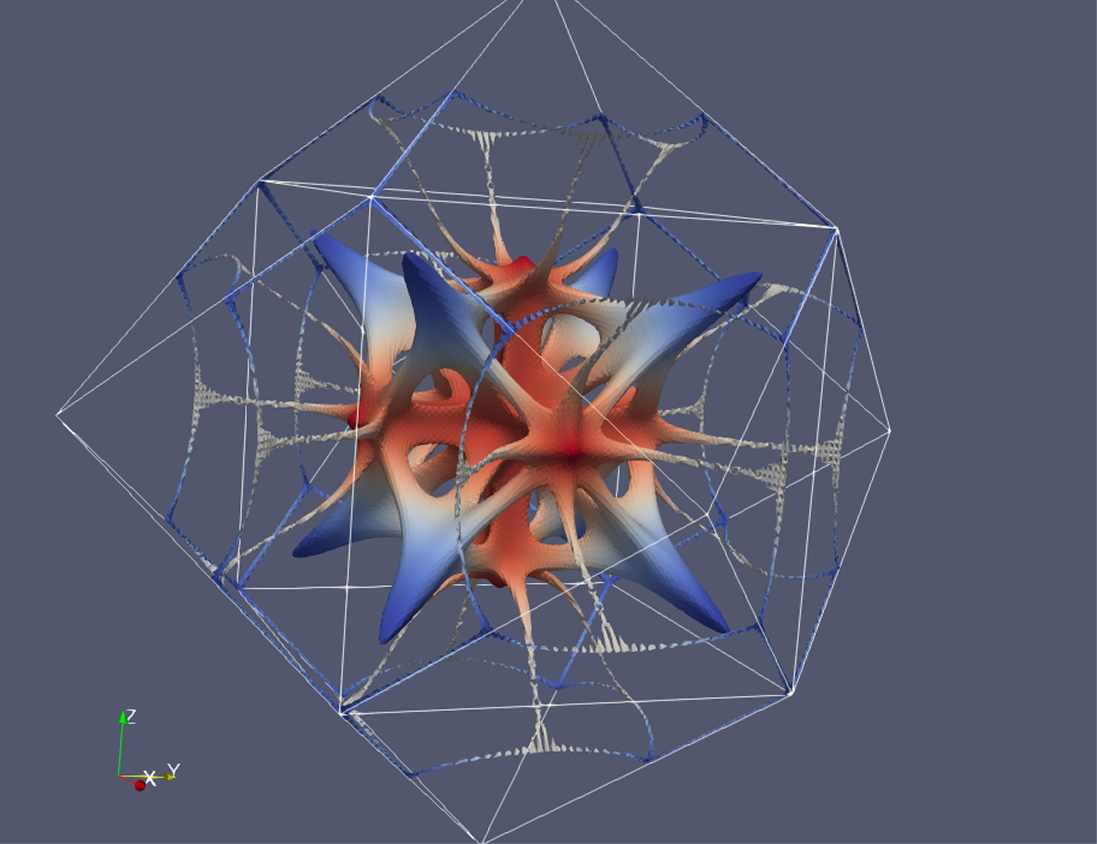
Orbitronics is an emerging research field spanning condensed matter physics and materials science to electrical engineering that focuses on the study and manipulation of the electron's orbital angular momentum (OAM).
The key idea is to use the OAM of electrons as a means to store, transfer, and process information, similar to how spintronics leverages the electron's spin. Importantly, OAM can be generated by a wider range of material systems and with theoretically much higher efficiency than its spin counterpart, using cheap, environmentally friendly and abundant light-weight elements.
Orbitronics thus has both a fundamental interest and technological perspectives that provide an innovative and multidisciplinary framework for training early career researchers with excellent prospects for a career either in industry or in academia.
The “Orbital-based electronics” project, with acronym ORBIS, will create a European network of experts providing challenging, state-of-the-art training to doctoral candidates (DCs) in the field of fundamental and applied Orbitronics.
The goal
The overarching scientific and technological goal of ORBIS is to understand the mechanisms behind orbital effects, to find emerging materials enabling efficient generation, transport and control of OAM, and to build devices based on these phenomena, including enhanced THz emitters, magnetic random-access memory and beyond-CMOS logic.
These orbital-based technologies will be cheap, low power, scalable and environmentally sustainable, thus having the potential to bring about revolutionary advances in microelectronics with enormous societal impact.
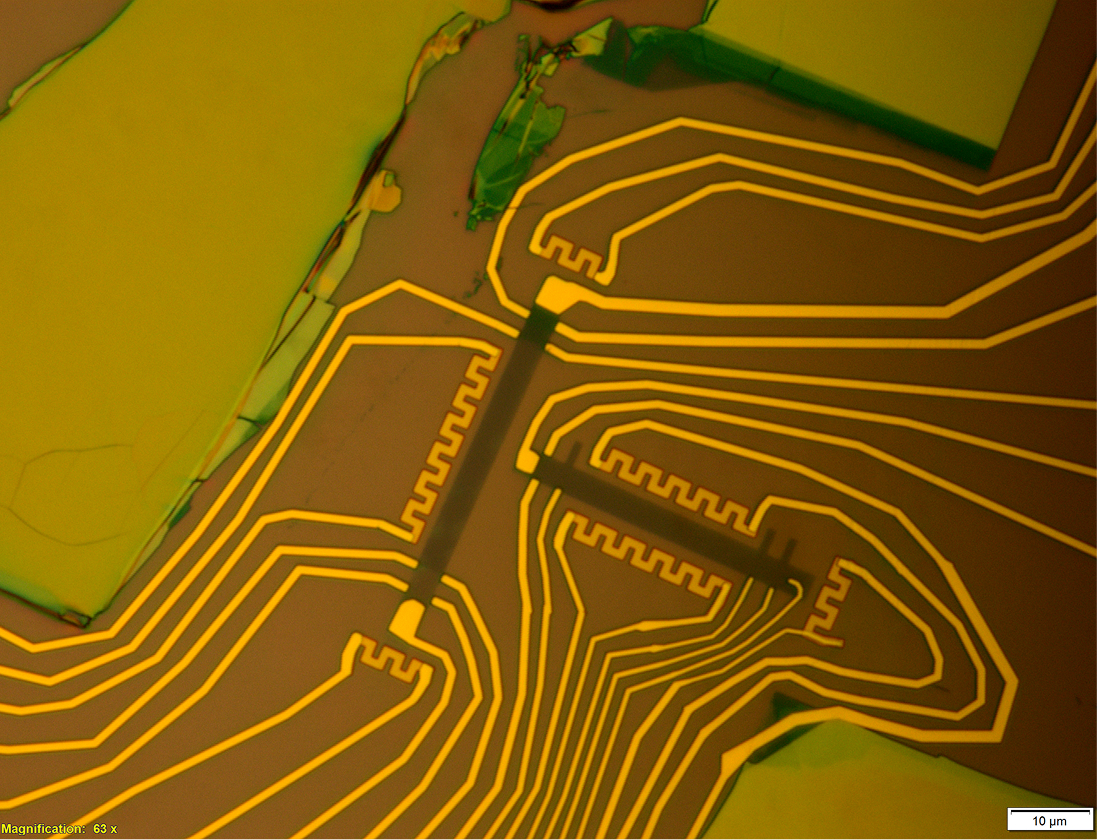
The DCs will apply cutting-edge methodologies in new materials, device nanofabrication and characterization, ultrafast spectroscopies, and theoretical calculations and models.
Training & Impact
ORBIS will train 16 DCs through research in the physics of orbital currents, orbital torques, 2D and low-symmetry materials, orbital phenomena in the time domain, magnetic excitations, and topology.
Interdisciplinary secondments will enable the exposure of each DC to academia and industry for a total of 6 months.
ORBIS will organise 5 focus topic workshops → from basic research to applications and open them to researchers outside the consortium. It will also organize 5 transferable skills workshops → that will increase the employability of the DCs.
Ultimately, the project’s impact will stem from training the next-generation workforce essential for Europe's growing technology sector and vital for strengthening its industrial competitiveness.